5 Most Common Types of Anxiety Disorders
By Stacy Mosel, LMSW•
AnxietyObsessive Compulsive DisorderPanic Disorder

It can come on suddenly, with no apparent cause, and can last for years if left untreated. If you or someone you care about suffers from anxiety, it’s important to realize that you’re not alone. The Anxiety and Depression Association of America reports that around 40 million Americans are believed to have an anxiety disorder, which includes 5 main types:
- generalized anxiety disorder (GAD)
- obsessive-compulsive disorder (OCD)
- panic disorder
- post-traumatic stress disorder (PTSD)
- social phobia, also known as social anxiety disorder
But why is anxiety so common, and what’s the difference between “normal” anxiety and an actual diagnosable anxiety disorder? More importantly, what can you do to help yourself or someone you care about?
What Is Anxiety?
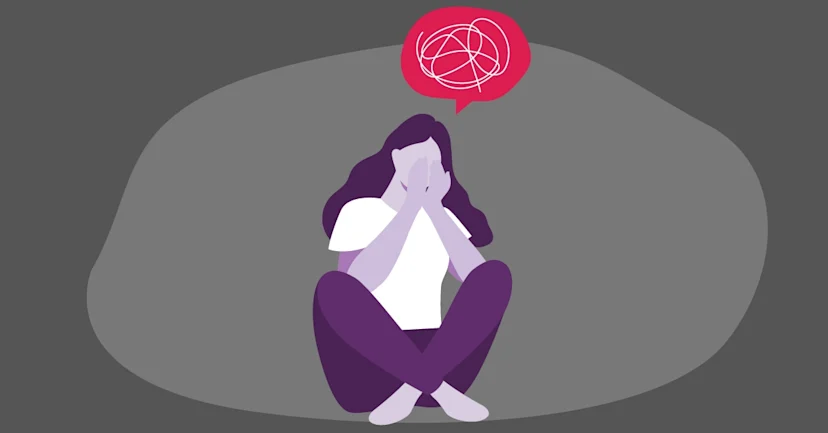
When you’re in the thick of it, you might think no one else in the world feels the way you do, but it’s important to reassure yourself that everyone experiences anxiety at some point. It usually involves the anticipation of negative events (which may or may not actually occur). Anxiety typically results in increased muscle tension and other symptoms of physical and mental stress.
Imagine the following scenario: your boss calls to tell you she wants to see you right away, and you’re not sure why. Even though you think your job performance has been pretty good, you wonder if you’re going to be fired. You feel nervous, and your palms start sweating as you walk to her office. Maybe your heart beats a bit faster or you start breathing more rapidly. What you are experiencing is a common reaction to a potentially fearful event — anxiety.
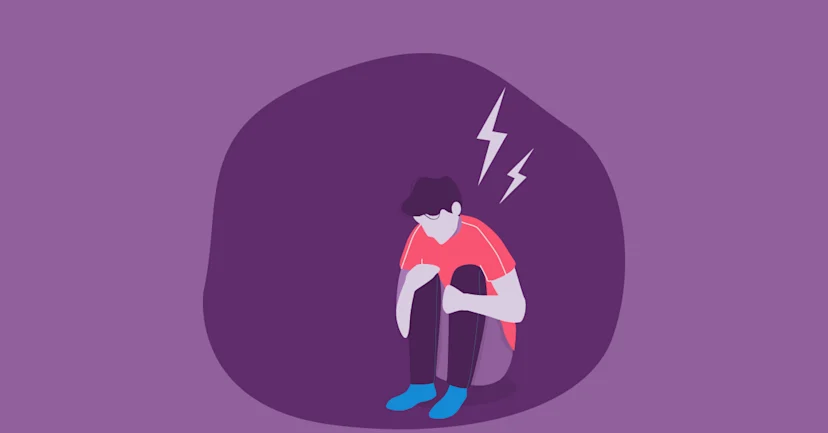
Anxiety isn’t usually a problem in and of itself, but some people have an irrational or heightened response to anxiety-provoking situations. Normal situations can seem life-altering or completely unmanageable. For example, a person with an anxiety disorder might respond to the above situation by having a full-blown panic attack, in which they feel like they are going to die or as if they are having a heart attack.
Sometimes, anxiety doesn’t go away, even when there’s no apparent stressor. When anxiety persists after the fearful event has subsided, or if you have frequent anxiety for no clear reason, you might have an anxiety disorder. The American Psychiatric Association explains that a person may be diagnosed with an anxiety disorder when their anxiety is out of proportion to the situation and hampers their ability to function normally.
The 5 Types of Anxiety Disorders
Generally speaking, problematic anxiety usually involves specific symptoms, such as:
- Feelings of dread or impending doom.
- Repetitive, intrusive, or uncontrollable fearful thoughts/excessive worry.
- Hypervigilance or heightened startle response.
- Anticipation of the worst possible outcome.
- Difficulty concentrating or paying attention.
- Feeling irritable or jumpy.
- Physical symptoms, such as pounding heartbeat, shortness of breath, insomnia, or sweating.
The five major types of anxiety disorders include:
1. Generalized Anxiety Disorder
This is the most common type of anxiety disorder and is characterized by constant anxiety and worry, especially about things you cannot control.
2. Obsessive-Compulsive Disorder
People with obsessive-compulsive disorder suffer from uncontrollable, repetitive thoughts and/or compulsive behaviors (such as handwashing or fidgeting). These behaviors give a false sense of control and are used to try to make the repetitive thoughts go away, although this usually doesn’t work.
3. Panic Disorder
Panic disorder is characterized by panic attacks, which are intense and (usually) repeated episodes of fear that involve physical symptoms such as chest pain, increased breath rate, shortness of breath, sweating, or stomachache. People often feel like they’re having a heart attack — in fact, panic attacks are a common cause of visits to the emergency room.
4. Post-Traumatic Stress Disorder
Also known as PTSD, this disorder generally follows a very stressful or life-threatening event (such as witnessing or experiencing violence or war). People may experience debilitating anxiety and flashbacks to the traumatic events as well as other troublesome physical and psychological symptoms.
5. Social Phobia (Social Anxiety Disorder)
People who feel excessively self-conscious and suffer from extreme anxiety that interferes with normal social functioning may be suffering from social phobia. They can have just one specific fear, such as a fear of public speaking, or they may have more global fears that cause them to avoid most or even all contact with others.
Why Is Anxiety So Common?
Anxiety is on the rise in the United States, but there are no clear-cut reasons for this. It’s likely a multifaceted explanation. People are still facing many of the same triggers they’ve always faced — financial worries, health concerns, fear of dying, relationship and family issues, and other common stresses. A 2018 poll by the American Psychiatric Association looked at the reasons for the rise in anxiety in American adults and found that between 2017 and 2018, more people reported feeling anxious about finances, safety, and health. And, four in 10 people said they felt more anxious than they had in the previous year.
While there’s no definitive answer for the increase in anxiety, some researchers believe that the rise of social media is to blame. One study found that people who use social media frequently (more than 100 minutes per day) were at an increased risk of developing an anxiety disorder. Others believe that increased access to news, unstable political environments, fears of climate change, and other global concerns may be to blame.
What Can You Do for Yourself?
Keep in mind that not everyone who feels anxious has an anxiety disorder. However, if you are struggling with debilitating anxiety, you may wish to consult your family doctor to discuss your symptoms. In addition, you can practice specific self-help techniques that have been shown to reduce anxiety, such as:
- Exercising regularly. Aerobic exercise increases your body’s production of endorphins, which are “feel-good” chemicals that can improve your mood and decrease anxiety.
- Practicing mind-body techniques, such as meditation, deep breathing, or visualization. You can find a variety of guided exercises online to help you when you feel anxious or panicky. If you are at work or in another public place, simply take a moment to close your eyes, place your hand on your belly, and take slow, deep breaths until you feel calmer.
- Distracting yourself with an enjoyable or “mindless” activity. Play a computer game, watch a sitcom, or go for a walk. Try to avoid ruminating on your thoughts as much as possible.
- Limiting your caffeine intake. In some people, caffeine can increase anxiety and cause jitteriness, especially when consumed in excess.
- Avoiding stimulating activities before bedtime. People with anxiety typically suffer from sleep problems, so you want to try to calm yourself down as much as possible in the hour or so before you hit the hay. Don’t watch frightening movies or TV shows, try to avoid reading or watching the news, and give yourself a break from your smartphone.
- Seeking therapy. Mild anxiety can often be managed with self-help techniques, but more severe or persistent anxiety should be evaluated by a mental health professional. A counselor, psychologist, or clinical social worker can provide therapy and psycho-education to help uncover the reasons for your anxiety and suggest things you can do to minimize anxious feelings, and a psychiatrist can provide anxiety medication if necessary.
What Can You Do for a Friend or Loved One?
Providing support and encouragement are often the best ways to help a friend or loved one who is struggling with anxiety. In addition, consider some of the following tips:
- Learn about anxiety. The National Alliance on Mental Illness has a free hotline that you can call to ask any questions you may have at 1-800-950-NAMI, Monday through Friday between 9 and 5 p.m. Eastern Time, or you can also do your own research online. Read information from reputable websites, such as the National Institute of Mental Health.
- Help your friend or loved one research therapists in their area that specialize in treating anxiety.
- Engage in fun activities together. Consider starting an exercise program, joining a yoga class, or going for walks together in the evening.
- Remain supportive and understanding. It’s important to know that your loved one cannot just “snap out of it.”
Seeking help and taking care of yourself are signs of strength, not weakness. Anxiety isn’t something to be ashamed of or embarrassed about. If you or someone you care about are struggling, don’t be afraid to seek professional help. Sometimes, anxiety can become worse if left untreated, and the sooner you address the issue, the better you’ll feel in the long run.

Stacy Mosel, LMSW
Stacy Mosel, LMSW, is a licensed social worker, psychotherapist, and substance abuse specialist. After receiving a Bachelor’s degree in Music from the State University of New York at Stony Brook, she continued her studies at New York University, earning a Master of Social Work in 2002. She has extensive training in child and family therapy and in the identification and treatment of substance abuse and mental health disorders.
The information on this site is generalized and is not medical advice. It is intended to supplement, not substitute for, the expertise and judgment of your healthcare professional. Always seek the advice of your healthcare professional with any questions you may have regarding a medical condition. Never disregard seeking advice or delay in seeking treatment because of something you have read on our site. RxSaver makes no warranty as to the accuracy, reliability or completeness of this information.
If you are in crisis or you think you may have a medical emergency, call your doctor or 911 immediately.