
Endometriosis
Symptoms, common medications, and savings
Loading...
Medically reviewed by Carina Fung, PharmD, BCPPS on June 27, 2020
What is endometriosis?
Endometriosis[1], sometimes referred to as “endo,” is a disorder in which the tissues that normally line the uterus (called the endometrium) grow outside the uterus on other parts of the body. This disorder is often painful and can lead to painful periods, excessive bleeding, and infertility.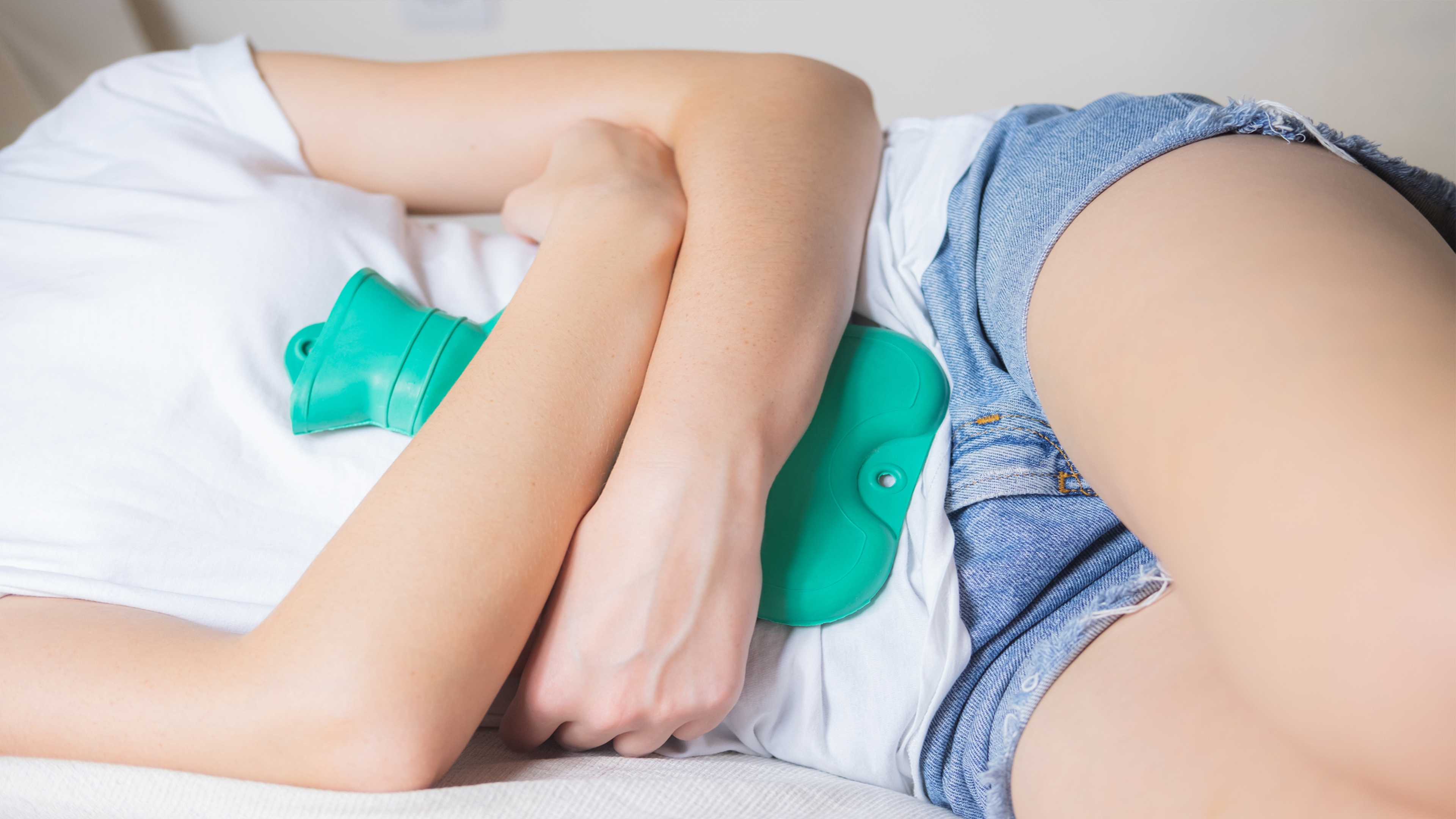
Source: Getty Images
How common is endometriosis?
Endometriosis is a common health problem among women. Researchers believe that the condition affects at least 11% of women[2] in the United States between the ages of 15 and 44. Endometriosis is especially common among women in their 30s and 40s and is thought to affect 70% of women[3] with chronic pelvic pain. Unfortunately, the diagnosis of endometriosis often comes long after a woman has already experienced signs and symptoms of the condition: the average delay in diagnosis in patients between the ages of 18 and 45 is 6.7 years3. As most patients with the condition report that their symptoms began during adolescence, many have suffered through unnecessarily prolonged pain and reduced quality of life. Ultimately, receiving a timely diagnosis of endometriosis is crucial to help prevent pain, slow or prevent the progression of the disease, and reduce the risk of infertility.Endometriosis causes
The menstrual cycle is the process by which the body prepares itself for pregnancy. The average menstrual cycle lasts for a total of 28 days[4]. During this time, the tissue found on the inside of the uterus (called the endometrium or uterine lining) builds up in order to prepare for a potential pregnancy. If no pregnancy occurs, the levels of two hormones—estrogen and progesterone—start to fall. This eventually leads to menstruation, which occurs when the uterus sheds its lining. During menstruation, a combination of these uterine tissues and blood passes out of the uterus through a small opening called the cervix, eventually exiting the body through the vagina. In women with endometriosis[5], tissues that look and act like endometrial tissue develop outside the uterus, usually in the pelvis on their other reproductive organs or within other areas of the abdominal cavity. During each menstrual cycle, these “misplaced” tissues respond to the body’s hormonal changes in the same way that the uterus does: they build up and break down, just like the endometrium. This “shedding” causes small amounts of bleeding within the pelvis or abdomen, leading to inflammation, swelling, and scarring of the normal tissues surrounding the endometriosis growths. Researchers are not yet sure what causes endometriosis. Several possible causes being studied include[6]:- Retrograde menstruation: This is thought to be the most likely cause of endometriosis. In retrograde menstruation, some of the blood and tissue shed during a menstrual period flows back through the fallopian tubes into other areas of the body, such as the pelvic cavity. These endometrial cells then stick to the pelvic walls, organs, or structures, leading to endometriosis.
- Genetics: Endometriosis has been shown to run in families, suggesting a genetic component to the development of the disease.
- Hormonal abnormalities: The hormone estrogen seems to play a role in the development of endometriosis. Researchers are looking into the possibility that the condition stems from hormonal problems.
- Immune system disorders: Immune system disorders—as well as certain types of cancer—are more common in women with endometriosis. Problems with the immune system may make the body fail to recognize and destroy endometrial tissue growing outside the uterus.
- Surgical scar implantation: Abdominal surgery, such as a Cesarean section (C-section) or hysterectomy, may unintentionally cause endometrial tissue to move around and implant on the resulting scars.
- Embryonic cell transformation: Estrogen, as well as other hormones, may cause embryonic cells (cells in the earliest stages of development) to transform into the cells that make up endometriosis, which then activate and develop into endometriosis during puberty.
- Transformation of peritoneal cells: One theory, known as the “induction theory[7],” proposes that hormonal or immune factors may cause peritoneal cells (the cells lining the inner side of the abdomen) to transform into endometrial-like cells.
- Endometrial cell transport: It may be possible that the blood vessels or lymphatic system can transport endometrial cells from the uterus to other parts of the body.
Risk factors for endometriosis
Endometriosis can affect anyone who menstruates. However, several factors may increase your risk of developing endometriosis, including[8]:- Starting menstruation prior to age 11
- Having a menstrual cycle shorter than 27 days
- Having menstrual periods that are heavy and last longer than 7 days
- Having higher levels of estrogen or having a longer lifetime exposure to the estrogen your body produces
- Having abnormalities in your reproductive tract
- Having a medical condition that prevents the normal flow of menstrual blood from the body
- Having one or more blood relatives with endometriosis
- Going through menopause at an older age
- Never having given birth
- Your menstrual periods began later in adolescence
- You have been pregnant
- You regularly exercise for more than 4 hours each week
- You have a low percentage of body fat
Endometriosis symptoms
Endometriosis usually develops a few years after the onset of menstruation (when a woman gets her first period). The two main symptoms[10] of endometriosis are:- Pelvic pain: This affects roughly 75% of all women with endometriosis, and usually occurs or worsens during menstruation.
- Infertility: Up to half of all women with endometriosis become infertile (unable to become pregnant). In some cases, endometriosis is diagnosed while a woman is seeking infertility treatment.
- Painful periods (dysmenorrhea): Dysmenorrhea, which includes pelvic pain and cramping, may also feature lower back pain and abdominal pain.
- Excessive bleeding: Endometriosis may cause occasional heavy periods or bleeding between periods (called intermenstrual bleeding).
- Painful sexual intercourse: It’s common for women with endometriosis to experience pain during or after sex.
- Painful urination or bowel movements: These symptoms are most likely to occur during menstruation.
- Digestive problems: In some cases, endometriosis causes problems like constipation, diarrhea, bloating, nausea, or abdominal cramping, especially during menstruation. For this reason, endometriosis is sometimes mistaken for the chronic condition irritable bowel syndrome (IBS).
Complications from endometriosis
Endometriosis may result in a number of health complications, including[13]:- Infertility: Reduced fertility is the most common complication of endometriosis. Endometriosis can cause the fallopian tube to become obstructed, blocking eggs from being released and preventing fertilization from taking place. Endometriosis also seems to affect fertility in more indirect ways, such as by damaging eggs or sperm.
- Cancer: Women with endometriosis have a higher incidence of ovarian cancer than those without the condition. Some studies, however, suggest that even though endometriosis increases this risk, it remains relatively low.
- Blockages in the fallopian tubes: This occurs when endometrial-like tissue covers or grows inside the ovaries. When trapped in the ovaries, the blood that flows from these growths may cause a cyst (called an endometrioma) to form.
- Inflammation
- Scar tissue and adhesions: These can cause pelvic pain and may decrease the chances of becoming pregnant.
- Problems in the intestines and bladder
Medications
Related Conditions
PCOS
Polycystic Ovary Syndrome
A hormonal disorder that causes enlarged ovaries with small cysts on the outer edges....
Menopause
The time in a woman's life (commonly in her 40s or 50s) when the ovaries stop producing hormones. Menopause is signaled ...
Abdominal Pain
Pain occurring within the abdomen or in its outer muscle walls. This pain can have a wide variety of causes and can rang...
Inflammatory Bowel Disease
IBD
A group of chronic conditions that cause prolonged inflammation in the digestive tract. The two most common forms of IBD...