
Heart Attack
Symptoms, common medications, and savings
Loading...
Medically reviewed by Carina Fung, PharmD, BCPPS on January 22, 2020
What is a heart attack?
A heart attack[1], also known as a myocardial infarction, occurs when blood flow to the heart is blocked. This most often occurs when fatty deposits (called plaque) build up in the coronary arteries (the vessels that feed the heart with oxygen-rich blood). When this plaque breaks away, it forms a clot. This can prevent sufficient blood from flowing into the heart, ultimately damaging or destroying part of the muscle. A heart attack happens when this clot significantly reduces or completely stops the flow of oxygenated blood to the heart. Calling 911 is crucial if you think you may be having a heart attack. Even if you are unsure about the cause of your symptoms, it’s better to be safe than sorry. If you are having a heart attack, the longer you wait for treatment, the more damage is done to your heart’s tissues.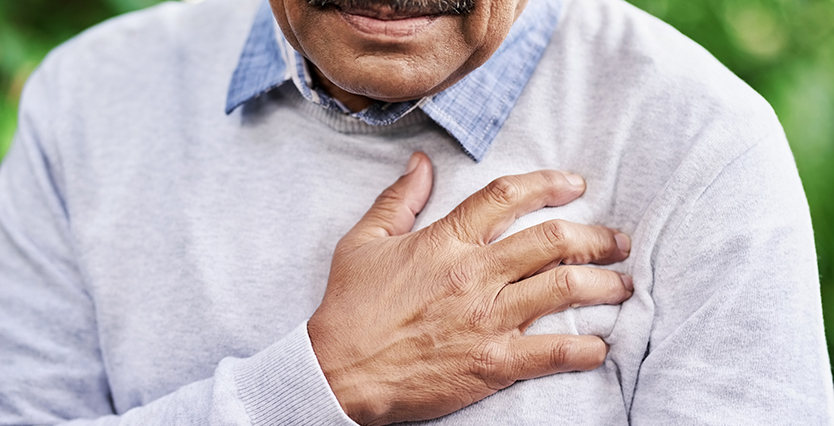
How common are heart attacks?
Someone in the United States has a heart attack every 40 seconds[2], according to the CDC. This results in 805,000 reported heart attacks per year. Of these:- 605,000 are first-time heart attacks
- 200,000 happen to people who have already had heart attacks
- 1 in 5 are silent: a person is not aware that he or she is having a heart attack
Cardiac arrest
While people often refer to heart attacks and cardiac arrest interchangeably, these terms describe different events[3]. A heart attack is the result of a circulation problem: the flow of blood to the heart has been blocked. Sudden cardiac arrest (SCA) is an electrical problem: the heart malfunctions and stops beating unexpectedly. Heart attacks can cause cardiac arrest. Death (also called sudden cardiac death, or SCD) occurs when the heart suddenly stops working, which is caused by irregular heart rhythms (arrhythmias). The most common type of arrhythmia involved in cardiac arrest is ventricular fibrillation, which occurs when the heart’s lower chambers suddenly start beating erratically and don’t pump blood. If the heart stops, death occurs within minutes. However, cardiac arrest may be reversed if CPR is performed and a defibrillator is used soon enough to shock the heart and restore normal rhythm.Heart attack causes
The most common cause[4] of a heart attack is atherosclerosis. This disease causes plaque to build on the walls of your arteries. When this buildup occurs in the coronary arteries, it is known as atherosclerotic coronary artery disease. Plaque deposits are made up of cholesterol, fatty substances, cellular waste, calcium, and fibrin (a clotting material in the blood). When plaque builds up, it thickens the walls of the blood vessels, causing them to narrow. When plaque within a coronary artery bursts, a blood clot forms at the site of the rupture (called coronary thrombosis). If the clot is large enough, it can decrease or block the flow of oxygen- and nutrient-rich blood to the heart (known as coronary occlusion). Ischemia[5] occurs when the heart is starved of oxygen and necessary nutrients. A myocardial infarction (MI), or heart attack, refers to the damage or death of part of the heart muscle caused by ischemia. Another less common cause of heart attack is the temporary contraction or spasm of a coronary artery. When this happens, the artery narrows and shuts or stops down the flow of blood to part of the heart muscle. The reason for these spasms is unknown; it can occur in seemingly normal blood vessels as well as those blocked by atherosclerosis. Severe spasms, which can be caused by the use of tobacco and illicit drugs, can cause heart attacks. Rarely, heart attacks can be caused by spontaneous coronary artery dissection (a tearing of the coronary artery’s wall).Heart attack risk factors
Understanding your risk factors[6] for having a heart attack is a great way to prevent one from occurring. The more risk factors you have (and the more serious each is), the greater your risk for developing coronary artery disease, which can lead to heart attack. These risk factors can be categorized as follows:- Major risk factors: These significantly increase the risk of heart disease and blood vessel (cardiovascular) disease.
- Modifiable risk factors: This refers to major risk factors that can be modified, treated, or controlled by medication or healthy lifestyle changes.
- Contributing risk factors: These are associated with increased risks for cardiovascular disease (however, their significance and prevalence haven’t yet been determined).
- Age: Men aged 45 or older and women aged 55 or older have an increased risk for heart attack.
- Sex: Men have a higher risk of having heart attacks and have them earlier in life than women. Even when women reach the age of menopause, which increases their death rate from heart disease, their risk for heart attack is less than that for men.
- Genetics: If your siblings, parents, or grandparents have had early heart attacks (younger than 55 in men and 65 in women), you may have an increased risk for experiencing one.
- Smoking: People who smoke[8] have a much higher risk of developing coronary artery disease than nonsmokers. In combination with other risk factors, cigarette smoking greatly increases the risk of developing coronary artery disease. Alone, smoking is a significant risk factor for sudden cardiac death in patients with coronary heart disease. This also includes secondhand smoke exposure, which increases the risk of heart disease even in nonsmokers.
- High cholesterol: High levels of “bad” cholesterol—low-density lipoprotein (LDL) cholesterol—are most likely to narrow arteries. High levels of triglycerides (a diet-related type of blood fat) also increase the risk of heart attack. Conversely, a high level of “good” (high-density lipoprotein, or HDL) cholesterol lowers the risk for heart attack.
- High blood pressure (hypertension): Over time, high blood pressure can do damage to your coronary arteries. The risk of damage increases when high blood pressure is present along with other conditions, such as obesity or high cholesterol.
- Diabetes: The insufficient production of (or response to) insulin that defines diabetes causes blood sugar to rise, increasing the risk for heart attack.
- Physical inactivity: Low physical activity contributes to high cholesterol and diabetes, increasing the risk for heart disease and heart attack, among other conditions.
- Being obese or overweight: Obesity and being overweight are associated with high cholesterol, high triglycerides, high blood pressure, and diabetes.
- Metabolic syndrome: Metabolic syndrome occurs in people with obesity, high blood pressure, and high blood sugar. Having this condition makes you two times more likely to develop heart disease than if you don’t.
- Stress: How you respond to elevated levels of stress—particularly over time—can increase your risk for a heart attack. For example, some people may turn to habits like overeating, starting to smoke, or smoking more than usual to cope with stress.
- Alcohol use: Excessive alcohol[9] consumption can lead to heightened blood pressure and triglyceride levels and can increase the risk for cardiomyopathy, stroke, cancer, irregular heartbeats (arrhythmias) and other diseases. Drinking too much alcohol also contributes to obesity, which can increase the risk of heart attack.
- Illicit drug use: Using stimulants, such as cocaine or amphetamines, can trigger life-threatening spasms in the coronary arteries, which can cause heart attacks.
Heart attack symptoms
There are 5 major signs[10] of a heart attack:- Shortness of breath
- Chest pain or discomfort
- Nausea, lightheadedness, or feeling unusually tired
- Pain or discomfort in the jaw, neck, or back
- Pain or discomfort in the arm or shoulder
Heart attack symptoms in women
The symptoms of a heart attack in women[12] may differ from those in men. Some women don’t even know they are having a heart attack because the symptoms are so dissimilar from what they expect. While many people picture someone having a heart attack as clutching their chest in agony, it may be much less obvious than that in women. Like men, women’s most common symptom of a heart attack is chest pain or discomfort. However, women are much more likely than men to experience other common symptoms—especially shortness of breath, nausea or vomiting, and back or jaw pain. Some signs of a heart attack in women include:- Uncomfortable pressure, tightness, fullness, or pain in the center of the chest that lasts more than a few minutes (or goes away and comes back)
- Pain or discomfort in the upper body (one or both arms, or the back, neck, jaw, or stomach)
- Shortness of breath (with or without chest discomfort)
- Other signs, such as breaking out in a cold sweat, nausea, or lightheadedness
Heart attack symptoms in men
Men are more likely than women to experience pain or discomfort in the chest as the primary symptom of a heart attack. One of the most concerning forms of heart attack in men is a silent heart attack, or silent myocardial infarction (SMI). SMIs account for 45% of heart attacks[13], and they affect men more often than women. SMIs are described as “silent” because they do not present with the same intensity of symptoms as a classic heart attack. The symptoms may be so mild and brief that they are confused with regular discomfort or another problem of little concern. Some people may even have a heart attack and not even know it. When SMI symptoms are present, they may include:- Discomfort (pressure, squeezing, or pain) in the center of the chest that lasts for several minutes (or goes away and comes back)
- Pain or discomfort in the upper body (one or both arms, or the back, neck, jaw, or stomach)
- Shortness of breath, before or during chest discomfort
- Breaking out in a cold sweat, feeling nauseated, or feeling lightheaded
Heart attack complications
Several complications[14] can arise from a heart attack, often due to the damage caused to the heart during an attack. These complications can lead to:- Abnormal heartbeats (arrhythmias): During a heart attack, electrical “short circuits” can develop, causing abnormal heart rhythms. In some cases, this can be serious (or even fatal).
- Heart failure: A heart attack may cause such widespread tissue damage that the remaining heart muscle is unable to pump enough blood. Heart failure can be temporary or chronic (ongoing, long-term).
- Sudden cardiac arrest: Heart attacks may cause sudden cardiac arrest (SCA), which can be fatal without immediate action.
Medications
- Zestril (lisinopril)
- Prinivil (lisinopril)
- Plavix (clopidogrel)
- Lopressor (metoprolol)
- propranolol
- Diovan (valsartan)
- Tenormin (atenolol)
- Coumadin (jantoven, warfarin)
- timolol
- Brilinta (ticagrelor)
- Effient (prasugrel)
- Lovenox (enoxaparin)
- Altace (ramipril)
- atropine
- captopril
- trandolapril
- dipyridamole
- Praluent
- Lodoco
- Micardis
- Prexxartan
- Vostally
- Aggrastat (tirofiban)
- Kengreal
- Yosprala (aspirin / omeprazole DR)
- Zontivity
- eptifibatide
- Angiomax (bivalirudin)
- Fragmin
- Tnkase
- Isuprel (isoproterenol)
Related Conditions
Coronary Artery Disease
A disease caused by atherosclerosis, CAD refers to a narrowing of arteries that supply blood to heart muscles....
High Blood Pressure
Hypertension
Occurs when your blood pressure—the force of blood flowing through your blood vessels—is consistently too high....
Congestive Heart Failure
A chronic, progressive heart condition that affects the ability of the heart muscles to pump blood....
Atherosclerosis
A disease of the arteries in which fatty plaque buildup in the inner walls of arteries leads to restricted blood flow....