
Hives
Urticaria
Symptoms, common medications, and savings
Loading...
Medically reviewed by Carina Fung, PharmD, BCPPS on December 27, 2019
What are hives?
Hives[1] (urticaria) are itchy welts that form on the skin in response to irritation. The welts are usually round or oval-shaped and range from small spots to large patches. Many situations and substances[2] can trigger hives, including infection (49% of cases), drugs (5% of cases), and food allergies (3% of cases). Hives tend to appear suddenly and clear up after a few days without leaving a trace. Beneath the lining of the skin and other body organs (including the eyes, nose, lungs, and stomach) are mast cells. Hives develop when mast cells are triggered to release granules. When prompted to degranulate, mast cells stimulate the release of inflammatory chemicals, including histamine, bradykinin, and leukotrienes. When these chemicals are released, plasma fluid leaks into the skin, causing local irritation, redness, and swelling. Hives are very common: 10–20%[3],[4] of the population has had at least one episode in their lifetime.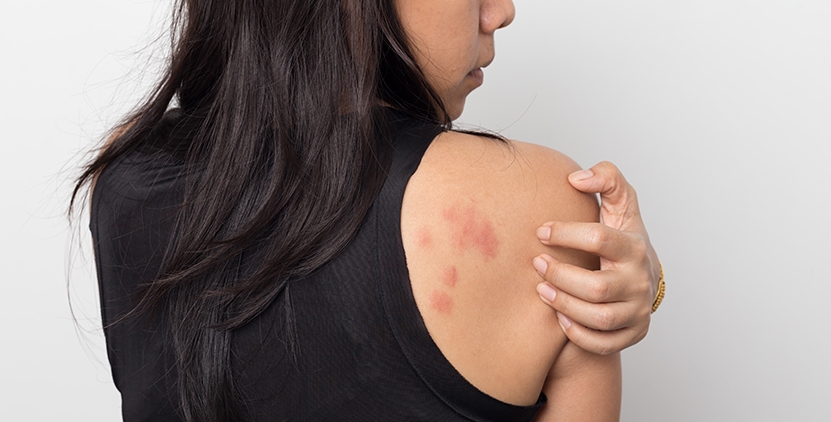
Source: Getty Images
Angioedema
In some cases, the areas of skin affected by hives can develop swelling called angioedema. Angioedema[5] tends to occur in the lips, face, upper airway, hands, or genitals. While hives affect the surface of the skin, angioedema is present deeper underneath the skin. Some signs of angioedema include welts that form within a few minutes and swelling, especially in the face. While angioedema can take on an alarming appearance, the swelling itself is generally harmless. It usually goes away within a day and does not leave any lasting marks. Both hives and angioedema are commonly treated with antihistamine medication. In rare cases, angioedema can be life-threatening if the swelling causes your throat or tongue to block your airway. Most cases of hives are acute, meaning they appear suddenly and go away in a short period of time. Hives are considered chronic if the welts have not gone away after more than six weeks or if you get outbreaks multiple times over months or years. Only about 3%[6] of cases of hives are chronic. It’s often not clear what causes chronic hives. Sometimes, chronic hives may be the result of underlying conditions, including liver problems[7], skin problems, or thyroid disease[8]. Though they may present with overlapping symptoms, hives and anaphylaxis[9] are two very distinct conditions. Anaphylaxis is a serious allergic reaction that causes trouble breathing, dizziness, and swelling in the face. Hives can sometimes be a symptom of anaphylaxis, but it’s much more likely for hives to occur alone than as a result of an allergic reaction. Your provider might recommend antihistamines and anti-itch medications to provide relief from the symptoms of hives. Regular preventative antihistamines[10] might be used to manage chronic hives.Urticaria
The word “hives” is often used interchangeably with the medical term “urticaria.”[11] This term[12] comes from the Latin word urtica_[13], which means “to burn.” Urticaria refers to a group of skin conditions characterized by itchy reactions.What causes hives?
Triggers are substances, changes, or factors that can cause hives in some individuals. Common hives triggers[14] include:- Certain foods, especially nuts, shellfish, eggs, wheat, and milk
- Medications such as antibiotics (especially penicillin and sulfa), aspirin, and ibuprofen (Advil, Motrin)
- Pollen and other airborne allergens
- Insect bites or stings
- Physical stimuli, such as sun exposure, pressure on the skin (such as from tight clothing or scratching), vibrations (such as from using a lawnmower), or hot showers and baths
- Exercise can cause some people to have allergic reactions like hives (known as exercise-induced urticaria[15]).
- Pet dander
- Latex
- Emotional stress
- Underlying conditions, such as bacterial or viral infections
Stress hives
Stress[17] may play a role in the development of hives, including its severity and how quickly it develops. Several studies[18] have shown a relationship between poor emotional well-being and chronic hives. Emotional distress can also affect the intensity of the itchiness experienced. The threshold for feeling itchy is lowered when stress activates the autonomic nervous system.Hives symptoms
It may be apparent that you have hives because you see welts present on your skin. The welts associated with hives can be:- Red in color
- Itchy, ranging from mild to intense
- Round or oval-shaped
- Pea-sized to large enough to cover whole parts of the body
Medications
- hydroxyzine hydrochloride
- Zyrtec (cetirizine)
- Vistaril (hydroxyzine pamoate)
- levocetirizine
- Allegra (fexofenadine)
- cyproheptadine
- cetirizine prescription
- Clarinex (desloratadine)
- Children's Zyrtec (children's cetirizine)
- Palgic (carbinoxamine maleate)
- clemastine, clemsza
- Children's Allegra (children's fexofenadine)
- Karbinal ER
- Quzyttir
- Ryvent
- carbzah
- dexchlorpheniramine
- Rhapsido
Related Conditions
Anaphylaxis
An acute allergic reaction to an antigen or allergen to which the body is hypersensitive. Can be life-threatening if air...
Chickenpox
A highly contagious viral infection that causes an itchy, blister-like rash on the skin....
Lupus
An inflammatory disease caused when the immune system attacks its own tissues....
Shingles
A reactivation of the chickenpox virus in the body that causes a painful rash....