
Major Depressive Disorder
Symptoms, common medications, and savings
Loading...
Medically reviewed by Carina Fung, PharmD, BCPPS on March 18, 2020
What is major depressive disorder?
Major depressive disorder[1], also referred to as depression or clinical depression, is a common but serious mood disorder.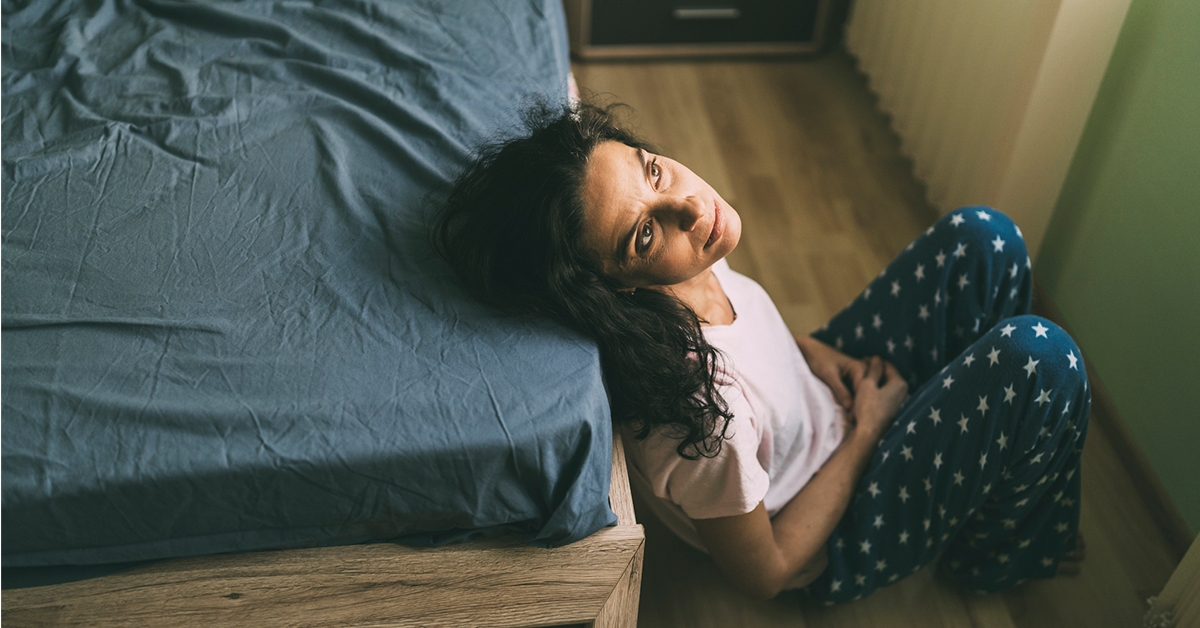
Source: Getty Images
How common is depression?
Depression is one of the most common[2] mental health disorders in the United States. Roughly 264 million people[3] live with depression worldwide, and an estimated 17.3 million[4] U.S. adults (7.1%) have experienced at least one major depressive episode. Depression can occur at any age, but it frequently begins in adulthood—the median age of onset is 32.5 years old3. Depression is also more common in women than in men4.What causes depression?
Researchers aren’t exactly sure what causes[5] depression. As is the case with many mental disorders, a number of factors may contribute to depression, including:- Brain chemistry: Naturally occurring brain chemicals called neurotransmitters likely play a role in depression. Recent research indicates that changes in neurotransmitters and how they interact with neurocircuits that help maintain mood stability may play a role in the development and treatment of depression.
- Biological differences: People with depression appear to have changes[6] in the areas of the brain that control mood. This can be due to poor nerve cell function. Communication between nerve cells or circuits can make it more difficult for an individual to regulate their moods.
- Hormonal changes: Changes in the body’s hormonal balance can have a negative impact on mood, triggering depression. These changes can occur in pregnancy and during the weeks or months following delivery (called postpartum depression), as well as in thyroid problems, menopause, and numerous other conditions.
- Genetics: If you have a blood relative with depression, you’re more likely to develop the condition yourself, as well as problems with alcohol[7]. Researchers are working to identify the genes involved in causing depression.
Risk factors for depression
Some factors[8] may increase your risk of developing depression, including:- Biological sex: More women are diagnosed with depression than men. This may be partially due to women seeking treatment more frequently.
- Certain personality traits or “temperament,” such as low self-esteem, dependence on others, or being highly self-critical or pessimistic.
- Family history: Having blood relatives with a history of depression, bipolar disorder, alcoholism, or suicide increases your risk of depression.
- Being lesbian, gay, bisexual, transgender, intersex (being born with variations in the development of genital organs that aren’t clearly biologically male or female) or any part of the LGBTQIA+ community without receiving adequate emotional support
- History of other mental health disorders, including anxiety disorders, eating disorders, or post-traumatic stress disorder (PTSD)
- Excess use or abuse of alcohol or drugs
- Serious chronic illness, including cancer, chronic pain, stroke, or heart disease
- Certain medications, such as sleeping pills or some high blood pressure medications
Symptoms of depression
For some people, depression only occurs once in their lifetimes. Generally, however, people with depression experience multiple episodes. During these episodes, the symptoms of depression occur throughout most of the day, nearly every day. On average, untreated episodes can last for several months. However, episodes of major depression can last for any length of time. Thy signs and symptoms of depression can vary from mild to severe throughout the course of an episode. Common signs and symptoms[9] of major depressive disorder include:- Sadness and tearfulness
- Feelings of emptiness or hopelessness
- Loss of interest or pleasure in many or all activities, including hobbies, sports or exercise, and sex
- Irritability, frustration, or angry outbursts, even over small issues
- Sleep disturbances, including insomnia or sleeping too much
- Weight gain or loss
- Increased or decreased appetite
- Anxiety or restlessness
- Slowed thinking, speech, or movement
- Unexplained physical problems, such as headaches or back pain
- Fatigue and lack of energy, causing even small tasks to require extra effort
- Trouble thinking, concentrating, making decisions, or remembering things
- Feelings of worthlessness or guilt
- Fixating on past failures, self-criticism, or self-blame
- Frequent thoughts of death, suicidal thoughts, suicide plans or attempts
Types of depression
There are multiple types[11] of depression. They may develop under different circumstances or present with slightly different symptoms. Your provider or specialist may add one or more specifiers to clarify the type of depression you have. Specifiers indicate that you have depression with specific features, and may include:- Anxious distress: Depression that causes unusual restlessness, anxiety, or worry about possible events or loss of control
- Melancholic features: Severe depression that causes a lack of response to things that used to bring pleasure. This can cause problems with early morning awakening, worsened mood in the morning, drastic appetite changes, and feelings of agitation, sluggishness, or guilt
- Mixed features: Simultaneous depression and mania, which may present with elevated self-esteem, talking excessively, and increased energy
- Atypical features: Depression characterized by the ability to temporarily be cheered up by positive events, increased appetite, excessive need for sleep, sensitivity to rejection, and a feeling of heaviness in the arms or legs
- Psychotic features: Depression accompanied by delusions or hallucinations, which may revolve around personal inadequacy or other negative themes
- Catatonia: Depression that includes motor activity, causing either uncontrollable, purposeless movement or fixed, inflexible posture
- Seasonal pattern: Also called seasonal affective disorder (SAD). Depression related to changes in seasons and reduced exposure to sunlight that typically occurs in the winter months
- Peripartum onset: Depression that occurs during pregnancy or begins weeks or months following delivery (postpartum depression)
Depression in children and teenagers
The common signs and symptoms[12] of depression in children and teens are similar to those seen in adults. However, there can be some differences. Symptoms of depression in younger children can include:- Sadness
- Irritability
- Anxiety or worry
- Aches and pains
- Refusing to go to school or social activities
- Being underweight
- Sadness
- Irritability
- Feelings of negativity or worthlessness
- Anger
- Poor school performance or attendance
- Feeling misunderstood and extremely sensitive
- Eating or sleeping too much
- Self-harm
- Loss of interest in normal activities
- Avoidance of social interaction or isolation
Depression symptoms in older adults
Depression is not a normal part of growing older and should not be overlooked. However, older adults may feel reluctant to seek help for depression, causing the condition to frequently go undiagnosed and untreated. The symptoms[13] of depression in older adults may be different or less obvious, and can include:- Physical aches or pain
- Memory difficulties
- Changes in personality
- Fatigue, loss of appetite, sleep problems, or loss of interest in sex not caused by medical conditions or medication
- Frequently wanting to stay at home, rather than socializing or trying new activities
- Suicidal thoughts or feelings, especially in older men
Complications from depression
Depression is a serious condition. It can take a considerable toll on those living with the disorder and their close family and friends. When untreated, depression often worsens, resulting in emotional, behavioral, and health problems that can significantly impact all areas of life. Some complications[14] associated with depression include:- Excess weight or obesity (which can lead to diabetes and heart disease)
- Pain or physical illness
- Anxiety, panic disorder or panic attacks, or social phobia
- Alcohol or drug abuse
- Strained personal relationships
- Problems or declined performance in work or school
- Self-harm, such as cutting
- Suicidal thoughts or feelings, suicide attempts, or suicide
- Premature death due to medical conditions
Medications
- Lexapro (escitalopram)
- Prozac (fluoxetine)
- Zoloft (sertraline)
- Wellbutrin XL (bupropion XL)
- trazodone
- Cymbalta (duloxetine)
- Effexor XR (venlafaxine ER)
- Abilify (aripiprazole)
- Celexa (citalopram)
- Pristiq (desvenlafaxine succinate ER)
- amitriptyline
- Paxil (paroxetine)
- Remeron (mirtazapine)
- Wellbutrin SR (bupropion SR)
- doxepin
- Viibryd (vilazodone)
- bupropion
- Pamelor (nortriptyline)
- venlafaxine
- Seroquel XR (quetiapine ER)
- Trintellix
- Paxil CR (paroxetine ER)
- Tofranil (imipramine hydrochloride)
- Khedezla (desvenlafaxine ER)
- Norpramin (desipramine)
- Rexulti
- Nardil (phenelzine)
- chlordiazepoxide / amitriptyline
- Auvelity
- Forfivo XL (bupropion (forfivo XL))
- Parnate (tranylcypromine)
- nefazodone
- Symbyax (olanzapine / fluoxetine)
- perphenazine / amitriptyline
- Fetzima (levomilnacipran ER)
- Deplin
- imipramine pamoate
- Drizalma Sprinkle
- amoxapine
- protriptyline
- Surmontil (trimipramine)
- Spravato
- Aplenzin
- Deplin FC
- Emsam
- Pexeva
- Raldesy
- Abilify Mycite
- Opipza
- brexpiprazole
- Rejoyn
- Marplan
- Duloxicaine
- Exxua
Related Conditions
Persistent Depressive Disorder
Dysthymia
A form of long-lasting depression that can cause low mood, irritability, fatigue, and lack of interest....
Postpartum Depression
A mood disorder that can affect women after childbirth, causing feelings of extreme sadness, anxiety, and exhaustion....
Generalized Anxiety Disorder (GAD)
Characterized by chronic, excessive, and often unrealistic anxieties about aspects of life, work, relationships, finance...
PTSD
Post Traumatic Stress Disorder
A condition of persistent and intense stress triggered by severe psychological shock, typically involving disturbed slee...