
Overactive Bladder
Symptoms, common medications, and savings
Loading...
Medically reviewed by Carina Fung, PharmD, BCPPS on February 20, 2020
What is an overactive bladder?
The bladder is a hollow organ that collects and stores urine. Overactive bladder[1], or OAB, is a common condition[2] that occurs when the muscles of the bladder act involuntarily and push urine out at the wrong time.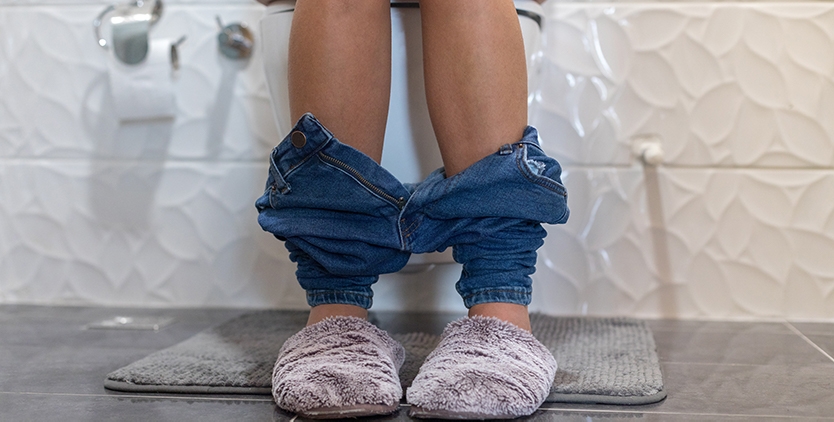
How common is overactive bladder?
OAB is a common condition: it affects 200 million people[4] worldwide. As many as 40% of women and 30% of men)[5] in the United States experience the symptoms of overactive bladder. Overactive bladder is about twice as common in women than in men. Between 75–80%4 of American adults living with OAB are women. Urge incontinence, a type of overactive bladder, affects roughly 12.2 million adults. While there is no need to worry about bringing up OAB with your provider, understanding that you are not alone may help encourage you to seek advice and treatment.Overactive bladder causes
The bladder collects urine, which is produced in the kidneys. Normally, as the bladder becomes full, nerve signals are sent to the brain that trigger the urge to urinate. When you urinate, the muscles of the bladder contract (tighten), pushing the urine out. Nerve signals also cause the pelvic floor and the muscles of the urethra (the opening through which urine passes) to relax, allowing the urine to exit the body. In people with OAB, the bladder’s muscles begin to contract involuntarily, even when the bladder is not yet full. This contraction is what causes the urgent feeling of needing to urinate. Overactive bladder can be caused[6] by several conditions and factors (or even a combination of multiple factors). These causes include:- Nerve damage: Trauma, injury, and neurological disorders can all affect the signals sent to the brain that tell the bladder when to empty. Causes include multiple sclerosis (MS), Parkinson’s disease, stroke, herniated disc, pelvic or back surgery, and radiation.
- Pregnancy and birth: Both pregnancy and childbirth can stretch and weaken the pelvic muscles. This can cause the bladder to sag out of its normal position in the body and lead to OAB and urine leakage.
- Physical abnormalities: These can include formations like bladder stones (hard deposits that build up in the organ) and tumors or factors that obstruct the flow of urine, such as an enlarged prostate, constipation, or surgeries used to treat incontinence.
- Medications: Certain medications may require you to take them with a lot of fluids, while others may increase urine production.
- Urinary tract infections (UTIs): These infections can cause similar symptoms (such as frequent urination and sudden urges to urinate) to an overactive bladder.
- Caffeine and alcohol: Both caffeine and alcohol are diuretics, meaning they increase urine production.
- Incomplete bladder emptying: Failing to empty your bladder completely when you urinate may cause overactive bladder symptoms.
Risk factors for overactive bladder
Some factors can increase[7] your risk of developing overactive bladder symptoms, including:- Aging: Aging can lead to the development of diseases and disorders like enlarged prostate and diabetes, both of which contribute to overactive bladder.
- Diabetes: People with diabetes may be more likely[8] to experience OAB than those without the condition. Being overweight can also contribute to overactive bladder, as excess weight places pressure on your bladder, possibly leading to urge incontinence.
Overactive bladder in men
Roughly 10–16%[9] of men experience the signs and symptoms of overactive bladder. However, only a small number of cases are treated. The causes of OAB differ[10] between men and women. The symptoms of OAB in men are often attributed to bladder outlet obstruction (BOO).[11] This condition, which is commonly linked to prostate problems like BPH (benign prostatic hyperplasia), occurs when a blockage at the base of the bladder reduces or blocks urine from flowing into the urethra. However, because OAB in men is frequently misattributed to this condition, some men with OAB face misdiagnosis and delayed treatment of their symptoms.Overactive bladder symptoms
Common signs and symptoms[12] of overactive bladder include:- Sudden urges to urinate (the feeling of needing to use the bathroom immediately) that are difficult to manage
- Urge incontinence: Leaking urine after feeling a sudden urge to urinate
- Frequent urination—eight or more times during the day and night
- Waking from sleep more than once a night to urinate (nocturia)
Overactive bladder at night
Nocturia[13] is a condition that occurs when you wake up two or more times each night to urinate. The condition is not uncommon—nocturia affects roughly 1 in 3 adults over the age of 30. This rate increases with age. Nocturia can be caused by a variety of factors, from lifestyle to pre-existing health problems. Causes can include:- Polyuria: When the body produces too much urine during a 24-hour period
- Nocturnal polyuria: When the body produces too much urine at night
- Bladder storage problems: Issues with the bladder releasing or storing urine
- Mixed nocturia: Occurs when more than one of these conditions is present
Medications
- Hyosyne (hyoscyamine)
- Levsin (hyoscyamine)
- Ditropan XL (oxybutynin ER)
- solifenacin
- Myrbetriq (mirabegron)
- oxybutynin
- tolterodine ER
- trospium
- Levbid (hyoscyamine ER)
- trospium ER
- fesoterodine
- Detrol (tolterodine)
- darifenacin ER
- Gemtesa
- flavoxate
- Botox
- Toviaz
- Digenyx
- Detrol LA
- Gelnique
- Oxytrol
- Vesicare
- Vesicare LS
- Oxytrol for Women
- Nocdurna
Related Conditions
Bladder Pain
A symptom that may be caused by bladder pain syndrome (BPS), a condition that causes the feeling of pressure and pain in...
Urinary Tract Infection
A bacterial infection that can occur in any part of the urinary tract....
Chronic Kidney Disease
The narrowing or blockage of the arteries leading to your kidneys can affect kidney function, keeping waste materials fr...
Benign Prostatic Hyperplasia (BPH)
A condition common in older men that causes enlargement of the prostate gland....