
Bunion
Symptoms, common medications, and savings
Loading...
Medically reviewed by Carina Fung, PharmD, BCPPS on May 28, 2020
What is a bunion?
A bunion[1] is a bony bump that forms on the inside of the foot at the base of the big toe. This bump may be painful, swollen, or visibly irritated. Bunions occur as a result of a deformity in the metatarsophalangeal (MTP) joint. This deformity causes the bones in the front of the foot to shift out of place, pulling the tip of the big toe toward the smaller toes and forcing the MTP joint to protrude. It’s appropriate, then, that the Latin name for a bunion is hallux valgus[2] (hallux meaning “big toe,” and valgus_ meaning “turned away from the midline of the body”).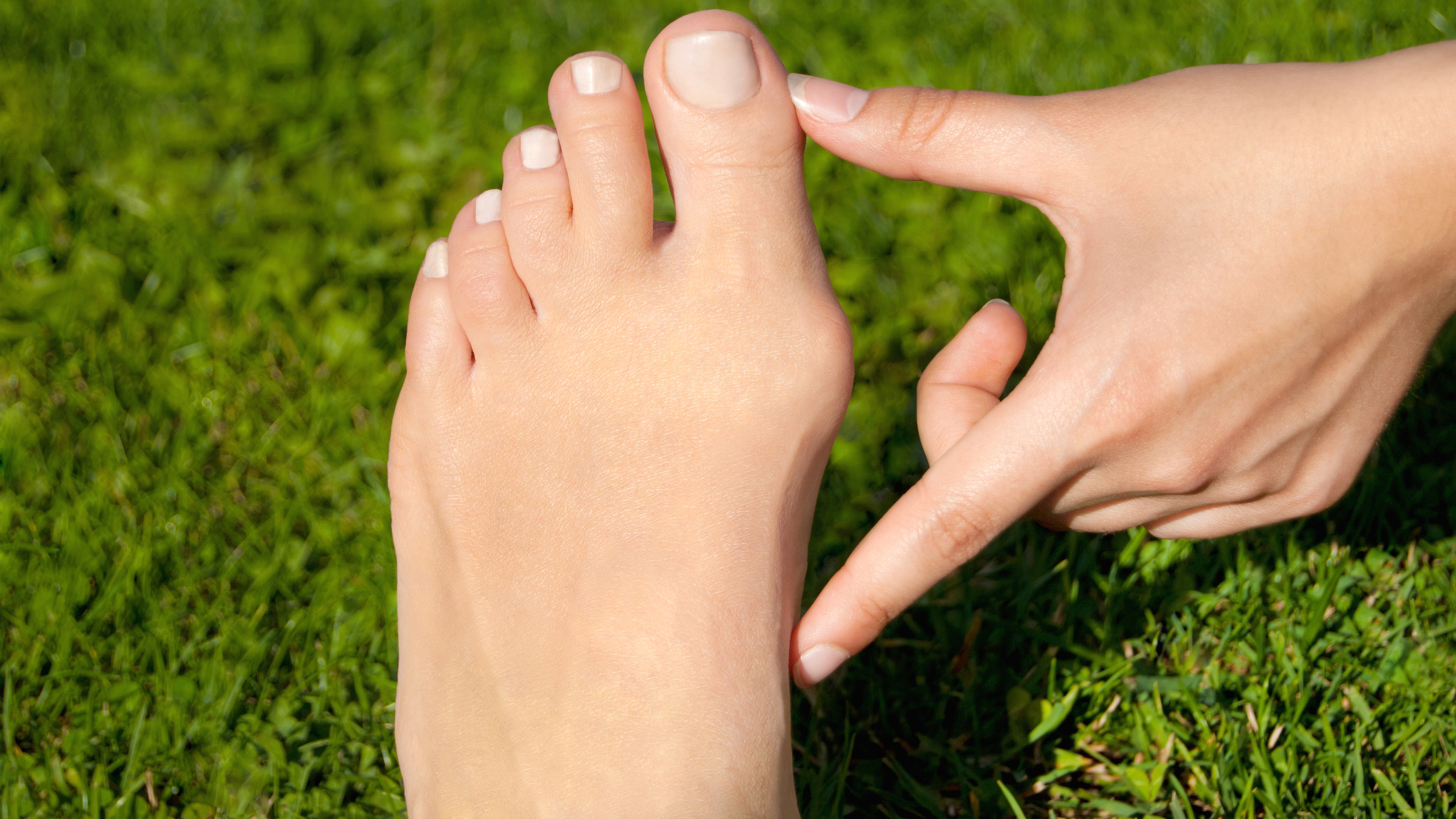
Source: Getty Images
Bunionette
Some people may develop a small bunion, called a bunionette[5], on the little toe. These bumps, also known as tailor’s bunions, form on the outside of the foot in the joint found near the base of this toe. While found in a different location of the foot, bunionettes are similar to bunions. They, too, may result from a combination of genetic and environmental factors[6], including foot structure, arthritis, and wearing ill-fitting shoes.How common are bunions?
Bunions are common: one systematic review found the prevalence of bunions to be roughly 23%[7] among adults between the ages of 18 and 65. The likelihood of developing a bunion increases with age. How severe a bunion becomes, however, has been found to be independent[8] of age (as well as other factors, including a person’s BMI, biological sex, and whether they have pain in other parts of their body). Women are also much more likely to develop bunions than men: while roughly one-quarter of American men develop bunions, these growths affect more than half of American women[9]. It has been proposed that restrictive shoes, such as high heels (which move the body’s weight forward and force the toes into the tip of the shoe), may be partly to blame for the fact that bunions are ten times more common[10] in women than in men.What causes bunions?
Bunions develop slowly[11] as a result of consistent pressure on the joint found at the base of the big toe (the MTP joint). Over time, as the foot’s bone structure changes, the big toe begins to lean toward the smaller toes and the bump known as a bunion forms. It’s unclear exactly what causes certain people to develop bunions. While there are many theories as to why they develop, it has been supposed that bunions occur as the result of a combination of factors[12]:- Genetics and foot structure: Some people may be predisposed to develop bunions due to their inherited foot shape and structure. Bunions have also been shown to run in families, as certain foot types (which are hereditary) are more likely to develop bunions than others.
- Foot stress or injury: Repeated stress on the feet—particularly from wearing narrow, pointed shoes that force the toes into an unnatural position—may cause a bunion to form. However, experts have not determined[13] whether tight, narrow, or high-heeled shoes actually
Risk factors for bunions
Certain factors may increase your risk[15] of developing bunions, including:- Occupation: Working at a job that requires frequent standing and walking increases the likelihood of developing bunions. Certain athletes, such as ballet dancers, may also experience repeated stress on their feet, causing bunions to develop.
- Pregnancy: During pregnancy[16], certain hormonal changes cause the ligaments to loosen and flatten the feet. Because of this, women are susceptible to developing bunions (as well as other foot problems) during pregnancy.
- Footwear: As previously stated, it is contested whether restrictive shoes cause bunions or not. However, it is likely the case that wearing shoes that crowd the toes and force them into unnatural positions at least contributes to the development of bunions.
- Rheumatoid arthritis: Having rheumatoid arthritis, the most common form of autoimmune arthritis, can increase your risk of developing bunions.
Bunion symptoms
Bunions start out small and take time to develop[17]. They generally don’t cause noticeable symptoms until they’ve grown in size—thanks to continued aggravation and pressure—that bunions become irritated or painful. This can make everyday things like walking and wearing certain types of shoes difficult. Common signs and symptoms[18] of a bunion include:- A hard, bony bump that protrudes from the base of the big toe on the inside of the foot
- A big toe that begins to cramp or overlap with the second toe
- Soreness, tenderness, swelling, or redness around the joint of the big toe (MTP joint)
- Corns or calluses: these growths commonly form as a result of friction at the site where the big toe and the second toe rub together
- Consistent pain or pain that worsens and dissipates
- Stiffness and limited range of motion in the big toe
- Hardening[19] of the skin on the bottom of the foot
- Constant pain in your foot or big toe
- A large, visible bump on the MTP joint
- Decreased or limited range of motion
- Difficulty finding footwear that fits properly or doesn’t cause pain
Complications from bunions
Bunions can lead to a number of related foot complications[20], including:- Bursitis: A painful condition that occurs when the fluid-filled sac surrounding the bones near the MTP joint (called the bursa) becomes inflamed. Chronic pain and arthritis can also develop when the connective tissue covering the MTP joint (articular cartilage) becomes damaged.
- Hammertoe: An abnormal bend (called a contracture deformity) that occurs in the middle joint of a toe (usually the second toe). Hammertoe usually progressively worsens over time and can eventually cause pain and pressure.
- Metatarsalgia: A condition that causes pain and inflammation in the ball of the foot.
Medications
Related Conditions
Arthritis
An inflammation of one or more joints in the body. A chronic, often progressive disease that can cause swelling, tendern...
Rheumatoid Arthritis
The most common form of autoimmune arthritis. Causes pain, swelling, and stiffness in the joints of the wrists, hands, a...
Osteoarthritis
The most common form of arthritis. Resulting from the wearing down of protective cartilage over time, this condition cau...
Gout
A complex form of arthritis characterized by sudden and severe attacks of pain, swelling, redness, and tenderness. Most ...