
Diabetes Insipidus
Symptoms, common medications, and savings
Loading...
Medically reviewed by Carina Fung, PharmD, BCPPS on December 18, 2019
What is diabetes insipidus?
Diabetes insipidus[1] is an uncommon disorder that occurs when the body can’t regulate its fluid levels properly, causing an imbalance of fluids in the body. This imbalance causes extreme thirst—even if you’ve had something to drink—and the production of large amounts of urine.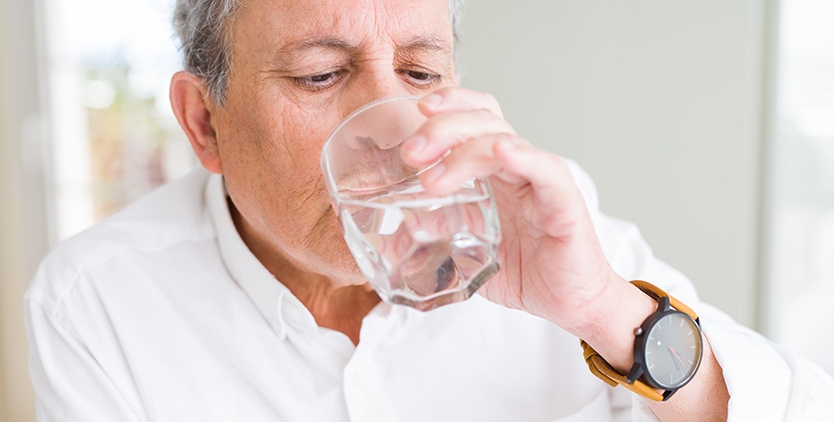
Source: Getty Images
What is diabetes mellitus?
Diabetes mellitus[2] (more commonly known as diabetes) refers to a group of diseases that affect the body's ability to use glucose properly. This condition, which includes type 1 and type 2 diabetes, is more common than diabetes insipidus. Type 1 diabetes[3] occurs when the beta cells in the pancreas (an organ located behind the stomach) are damaged. This prevents the organ from producing enough insulin, a naturally occurring hormone that helps the body use sugar for energy. People with type 1 diabetes must inject insulin to control their blood sugar. Type 1 diabetes is the most common form of diabetes in people under 30, but can occur at any age. Type 2 diabetes[4] occurs when the pancreas is still able to makes insulin, but the insulin produced is insufficient or doesn’t work properly. This form of diabetes is usually managed with healthy lifestyle changes, such as eating a healthy diet and getting plenty of exercise. In some cases treatments may include oral glucose-lowering medications or insulin injections. Type 2 diabetes occurs most often in people who are over 40 years old. However, it can occur in childhood when one or more risk factors for developing the disease are present.What is gestational diabetes?
Gestational diabetes[5] is a form of diabetes that develops during pregnancy (gestation) in women that did not already have diabetes beforehand. The condition usually develops about halfway through pregnancy. Like other forms of diabetes, gestational diabetes affects the way blood cells use sugar (glucose). It causes high blood sugar (hyperglycemia) and can affect both the woman's pregnancy and the baby’s health. Oftentimes, gestational diabetes can be managed with healthy lifestyle choices. Some women with gestational diabetes have to take insulin to manage their condition.Diabetes insipidus causes
There are multiple types of diabetes insipidus. Each type has a different cause[6]:- Central diabetes insipidus: This form of diabetes insipidus is caused by changes in the production, storage, and release of antidiuretic hormone (ADH), which helps control the rate at which fluids are expelled from the body. This can result from damage to the pituitary gland or hypothalamus, such as surgery, a tumor, head injury, or an illness.
- Nephrogenic diabetes insipidus: Nephrogenic diabetes insipidus occurs when a defect in the kidney tubules (the structures in the kidneys that cause water to be either excreted or reabsorbed) makes the kidneys unable to properly respond to ADH. This form of diabetes may be caused by genetic disorders or a chronic kidney disorder, as well as certain drugs
- Primary polydipsia: This condition (also known as dipsogenic diabetes insipidus), which causes the body to produce large amounts of diluted urine, can result from damage to the thirst-regulating mechanism in the hypothalamus.
- Gestational diabetes insipidus is rare—it only occurs when an enzyme made by the placenta destroys a pregnant woman’s ADH.
Risk factors for diabetes insipidus
Children[8] are more likely to get diabetes insipidus if they:- Have had a head injury
- Underwent brain surgery
- Have a brain tumor
- Have kidney disease
- Take certain medications, such as lithium
What is prediabetes?
Prediabetes[9] is a precursor of diabetes mellitus that can affect both adults and children. It occurs when a person's blood sugar (glucose) levels are higher than normal, but not yet high enough to be classified as type 2 diabetes. Without making healthy lifestyle changes, people with prediabetes are likely to progress toward type 2 diabetes. Some people with prediabetes may have some of the signs, symptoms, and complications experienced by those with type 2 diabetes. It is possible to prevent prediabetes from progressing to type 2 diabetes, however, isn’t inevitable. Healthy lifestyle choices (such as eating a healthy diet, getting sufficient exercise, and maintaining a healthy weight) can help lower blood sugar levels, preventing or slowing the progression of the condition.Diabetes causes
The causes[10] of diabetes mellitus depend on what type of diabetes is present. Generally, diabetes mellitus is caused by the body being unable to normally process blood sugar (glucose). No matter what type of diabetes is present, the condition can lead to excess blood sugar. Type 1 diabetes occurs when the immune system mistakenly attacks and destroys the insulin-producing cells in the pancreas. Because this leaves the body with little or no insulin, glucose builds up in the bloodstream instead of being transported into cells to be used as energy. The exact cause of type 1 diabetes is unknown. It is thought to be caused by a combination of genetic and environmental factors. In type 2 diabetes, as with prediabetes, cells become resistant to insulin and the pancreas is unable to make enough insulin to compensate for this resistance. Like type 1 diabetes, this condition leads to sugar building up in the bloodstream rather than entering cells to be used as energy. It is believed that genetic and environmental factors also play a role in type 2 diabetes. While not everyone with type 2 diabetes is overweight, excess body weight—especially in the stomach—is strongly linked to the development of the condition. Gestational diabetes occurs when the hormones produced by the placenta to sustain pregnancy make the body’s cells more resistant to insulin. If the pancreas can’t keep up by producing extra insulin, glucose builds up in the blood, resulting in gestational diabetes.Diabetes insipidus symptoms
Some common signs and symptoms[11] of diabetes insipidus in adults include:- Extreme thirst
- Producing large amounts of diluted urine—in serious cases, as much as 20 quarts (19 liters) per day, if you’re drinking a lot of fluids. A healthy adult typically urinates about 1–2 quarts (1–2 liters) per day.
- Frequent need to get up and urinate at night
- Preference for cold drinks
- Heavy, wet diapers
- Bedwetting
- Trouble sleeping
- Fever
- Vomiting
- Constipation
- Delayed growth
- Weight loss
Diabetes insipidus complications
The two most common complications[12] from diabetes insipidus are dehydration and electrolyte imbalance. Dehydration can cause:- Dry mouth
- Thirst
- Fatigue
- Weakness
- Nausea
- Vomiting
- Loss of appetite
- Muscle cramps
- Confusion
Diabetes symptoms
The signs and symptoms of diabetes mellitus[13] (types 1 and 2) can overlap with those of diabetes insipidus. Diabetes symptoms, however, vary depending on how high your blood sugar is elevated. While some people (particularly those with prediabetes or type 2 diabetes) may not experience symptoms initially, the symptoms of type 1 diabetes are usually quick to develop and are more severe. Some common signs and symptoms of type 1 and type 2 diabetes include:- Increased thirst
- Frequent urination
- Extreme hunger
- Unexplained weight loss
- The presence of ketones (byproducts of the breakdown of muscle and fat that occurs when not enough insulin is available) in the urine
- Fatigue
- Irritability
- Blurred vision
- Sores that are slow to heal
- Frequent infections