
Hashimoto's Thyroiditis
Symptoms, common medications, and savings
Loading...
Medically reviewed by Carina Fung, PharmD, BCPPS on January 22, 2020
What is Hashimoto’s Thyroiditis?
Hashimoto's thyroiditis,[1] also called Hashimoto’s disease, is a common autoimmune disease. An autoimmune disease is a condition that causes the body’s immune system to attack its own healthy cells. Hashimoto’s thyroiditis is named after Kakaru Hashimoto[2], the first physician to describe this disease. “Thyroiditis” is a term that means “inflammation of the thyroid.” Hashimoto’s thyroiditis specifically refers to the condition that causes the immune system to attack the thyroid gland.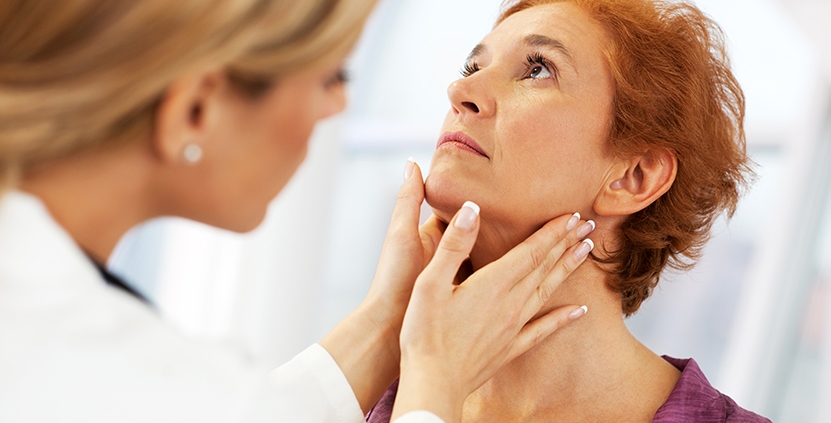
How common is Hashimoto’s thyroiditis?
Hashimoto's thyroiditis is the most common cause of hypothyroidism. The disease affects about five people out of 100[4] in the United States. Hashimoto’s thyroiditis is also 5 to 10 times more common[5] in women than men. The disease sometimes occurs in teens and young women, but it more often appears between the ages of 45 and 65. Your chance of developing Hashimoto’s thyroiditis increases if other family members have the disease.Hashimoto’s thyroiditis causes
Researchers aren’t sure what causes[6] some people to develop autoimmune disorders like Hashimoto’s thyroiditis. These disorders likely result from a combination of genetic tendencies and environmental factors, such as viral or bacterial infections. Factors such as heredity, biological sex, and age all play a role in your likelihood of developing the disorder. In people with Hashimoto’s thyroiditis, the immune system produces antibodies that attack the thyroid gland. This causes large numbers of white blood cells (called lymphocytes) to build up in the thyroid. Lymphocytes, in turn, produce the antibodies that begin the autoimmune process.Risk factors for Hashimoto’s
Some risk factors[7] may increase your risk of developing Hashimoto's thyroiditis:- Biological sex: Women are much more likely to get Hashimoto's thyroiditis than men.
- Age: Hashimoto's thyroiditis can occur at any age, but most commonly occurs during middle age (between 45–65).
- Heredity: You're at higher risk for Hashimoto's thyroiditis if other members of your family have thyroid conditions or autoimmune diseases.
- Other autoimmune diseases: Having another autoimmune disease, such as rheumatoid arthritis, type 1 diabetes, or lupus, increases your risk of developing Hashimoto's thyroiditis.
- Radiation exposure: The thyroid gland is known to be vulnerable to radiation.[8] People exposed to high levels of environmental radiation are more prone to develop Hashimoto's thyroiditis.
Hashimoto’s thyroiditis symptoms
The symptoms[9] of Hashimoto's thyroiditis may not be easily noticeable at first. The disease typically progresses slowly over a period of years. Hashimoto’s thyroiditis causes the thyroid to grow larger, which can cause the front of the neck to look swollen. This may be the first sign that you could have the disease. Hashimoto’s thyroiditis also causes chronic thyroid damage, leading to a drop in the level of thyroid hormone in your blood. The symptoms of the disease are mainly those caused by an underactive thyroid gland (hypothyroidism). Some signs and symptoms of Hashimoto’s thyroiditis include:- Tiredness and sluggishness
- Increased sensitivity to cold
- Unexplained weight gain
- Pale, dry skin
- A puffy face
- Brittle nails
- Hair loss
- Enlargement of the tongue
- Joint and muscle pain
- Muscle weakness
- Constipation
- Excessive or prolonged menstrual bleeding
- Depression
- Memory lapses
- A feeling of fullness in your throat
- A slowed heart rate
- Exhaustion without any apparent cause
- Dry skin
- Pale, puffy face
- Constipation
- Goiter: The thyroid can become enlarged (called a goiter) if it receives constant stimulation for not releasing enough thyroid hormones.
- Heart problems: Hashimoto's thyroiditis may be associated with an increased risk of heart disease. Most notably, people with hypothyroidism may have high levels of low-density lipoprotein cholesterol ("bad" cholesterol). If left untreated, hypothyroidism can also lead to an enlarged heart and possibly heart failure.
- Mental health issues: Depression may occur in the early stages of Hashimoto's thyroiditis and may become more severe over time. Hashimoto's thyroiditis can also lead to slowed mental functioning and decreased sexual desire (libido) in both men and women.
- Myxedema[12]: This rare but life-threatening condition can develop due to severe hypothyroidism caused by untreated Hashimoto's thyroiditis. Signs of myxedema include drowsiness, lethargy, disorientation, stomach pain, trouble breathing, and unconsciousness.
- Birth defects: Thyroid hormones are crucial to the normal development[13] of your baby’s brain and nervous systems. If you are a mother with untreated hypothyroidism from Hashimoto's thyroiditis, your baby may have a higher risk of birth defects.
Medications
Related Conditions
Hypothyroidism
When the thyroid gland can’t make enough thyroid hormone, which may lead to several complications. The opposite of hyper...
Graves' Disease
An autoimmune disorder that causes the overproduction of thyroid hormones, resulting in hyperthyroidism (an overactive t...
Goiter
An abnormal enlargement of the thyroid gland....
Hyperthyroidism
The opposite of hypothyroidism, hyperthyroidism is caused when the body produces too much of the thyroid hormones....