
Hyperthyroidism
Symptoms, common medications, and savings
Loading...
Medically reviewed by Carina Fung, PharmD, BCPPS on January 26, 2020
What is hyperthyroidism?
Hyperthyroidism[1] occurs when the thyroid gland makes more thyroid hormone than the body needs. If you have hyperthyroidism, you might feel anxious, or tired or have shaky hands, a rapid heartbeat, and unexpected weight loss. Hyperthyroidism refers to an overactive thyroid gland. The thyroid is a small, butterfly-shaped gland found at the base of the neck. It produces hormones that control the way your body uses energy (a process called metabolism). The two most important thyroid hormones produced by the thyroid gland are thyroxine (T4) and triiodothyronine (T3).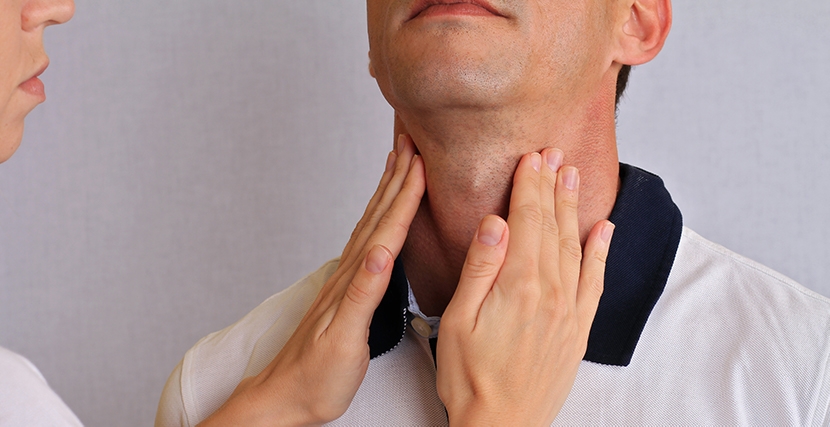
Source: Getty Images
How common is hyperthyroidism?
About 1.2% of people[3] in the United States have hyperthyroidism. Women are 2 to 10 times more likely than men to develop hyperthyroidism. You are also more likely to get hyperthyroidism if you have a family history of thyroid disease, consume large amounts of iodine, are older than age 60, or if you were pregnant within the past 6 months.Hypothyroidism vs. Hyperthyroidism
You may have also heard of a condition called hypothyroidism. This condition, which causes an underactive thyroid, occurs when the gland does not make enough thyroid hormone. In other words, hypothyroidism can be thought of as the opposite of hyperthyroidism. To help you remember the difference between these two conditions, remember that hyper- means[4] “excess or overabundance,” while hypo- means “less than normal or deficient.” Hashimoto’s thyroiditis is the most common cause[5] of hypothyroidism. This condition is an autoimmune disorder, meaning it causes the body to attack its own immune system. This results in the thyroid unable to produce hormones as it should.Hyperthyroidism causes
Hyperthyroidism may be caused by a number of health conditions, including Graves' disease, thyroiditis (particularly, Hashimoto's thyroiditis), and Plummer's disease. Consuming too much iodine (a substance found in certain foods, such as seaweed and iodized salt) or taking too much thyroid hormone medication may also raise your thyroid hormone levels. The thyroid produces two main hormones: thyroxine (T4) and triiodothyronine (T3). These hormones regulate many different processes and factors in the body, such as metabolic rate, body temperature, heart rate, and protein production. The thyroid also produces calcitonin, a hormone that helps regulate the amount of calcium in your blood. Normally, a healthy thyroid releases the right amount of hormones to keep the body well-regulated. In people with hyperthyroidism, however, the thyroid produces too much T4. This overproduction of T4 may occur for a number of reasons, including:- [Graves' disease:][1] Graves' disease is an autoimmune disorder that causes an excess of T4 to be produced. This disease is the most common cause of hyperthyroidism.
- Thyroiditis: Thyroiditis is a condition in which the thyroid becomes inflamed. This inflammation can cause excess hormones stored in the thyroid to leak into the bloodstream. Thyroiditis can develop as a result of a number of factors, including an autoimmune condition, pregnancy, or, in some cases, unknown reasons.
- Hyperfunctioning thyroid nodules: This condition, also referred to as toxic adenoma, toxic multinodular goiter, or Plummer's disease, is a form of hyperthyroidism that occurs when benign (non-cancerous) lumps in the thyroid called adenomas produce too much T4.
Hyperthyroidism risk factors
Some health conditions and factors may increase your likelihood for developing hyperthyroidism. Risk factors[6] for this condition include:- A family history of thyroid conditions—particularly Graves' disease
- Female sex
- Chronic illnesses, such as type 1 diabetes, pernicious anemia, and primary adrenal insufficiency
What is Graves’ disease?
Graves’ disease, a common cause of hyperthyroidism, is an immune system disorder that causes the thyroid to produce excess thyroid hormones. About one in 200 people[7] in the United States has Graves’ disease. Graves' disease results from[8] a malfunction in the body's disease-fighting immune system. However, the exact reason for this malfunction is still unknown. The common signs and symptoms[9] of Graves’ disease often overlap with those of hyperthyroidism. They can include:- Anxiety and irritability
- A fine tremor (shaking) in the hands or fingers
- Weight loss, despite normal eating habits
- Enlargement of the thyroid gland (called a goiter)
- Fatigue, tiredness, or muscle weakness
- Red, thickened skin on the shins or tops of the feet (Graves’ dermopathy or pretibial myxedema)—usually painless and mild, but can be painful in some people
- Rapid or irregular heartbeat (palpitations)
- Trouble sleeping
- Dry eyes
- Red or swollen eyes
- Excessive tearing
- Discomfort and inflammation
- Light sensitivity
- Blurred or double vision (diplopia)
- Reduced eye movement
- Protruding eyeballs
Hyperthyroidism symptoms
The signs and symptoms of hyperthyroidism can overlap with those of other health conditions. This can make it difficult for your provider to properly diagnose the condition. Hyperthyroidism can cause a wide variety of signs and symptoms[13], including:- Unintentional weight loss, even if your appetite and food intake stay the same or increase
- Rapid heartbeat (tachycardia)—commonly defined as a heartbeat faster than 100 beats per minute
- Irregular heartbeat (arrhythmia)
- Pounding of your heart (palpitations)
- Increased appetite
- Nervousness, anxiety, and irritability
- Tremor—a fine trembling in the hands and fingers
- Excessive sweating
- Changes in menstrual cycle
- Increased heat sensitivity
- Changes in bowel patterns, especially more frequent bowel movements
- An enlarged thyroid (goiter), which may appear as a swelling at the base of your neck
- Fatigue and muscle weakness
- Difficulty sleeping
- Thin or weakened skin
- Fine, brittle hair
Complications from hyperthyroidism
Hyperthyroidism can lead to a number of health complications[14], especially when left untreated. These may include:- Brittle bones: Untreated hyperthyroidism can lead to a condition called osteoporosis, which causes weak, brittle bones. A large part of the strength of your bones depends upon the amount of calcium and other minerals they contain. Excess thyroid hormone reduces the body's ability to incorporate calcium into your bones, causing them to weaken.
- Eye problems: Some people with Graves' disease, an autoimmune disease that commonly causes hyperthyroidism, develop Graves’ ophthalmology. This condition causes various eye problems, including dryness, bulging, redness and swelling, sensitivity to light, and blurred or double vision (diplopia). If left untreated, severe eye problems can lead to vision loss.
- Red, swollen skin: A small portion of people with Graves' disease develop a condition known as Graves' dermopathy. This condition causes redness and swelling on the skin, often on the shins and feet.
- Heart problems: Some of the most critical complications of hyperthyroidism are those that affect the heart. Hyperthyroidism may lead to a rapid heart rate, a heart rhythm disorder that increases your risk of stroke (atrial fibrillation), and congestive heart failure, a condition in which your heart can't circulate enough blood to meet your body's needs.
- Thyrotoxic crisis: Having hyperthyroidism puts you at risk for a sudden intensification of your symptoms called thyrotoxic crisis. This can lead to fever, a rapid pulse, and even delirium. If this occurs, seek immediate medical care.
Hyperthyroidism in cats
Hyperthyroidism is, perhaps surprisingly, a common disease in cats[15]. In fact, hyperthyroidism affects 10% of cats[16] over 10 years of age. Common clinical signs[17] of feline hyperthyroidism include weight loss, increased appetite, and increased thirst and urination. Other signs and symptoms include vomiting, diarrhea, and hyperactivity. Cats with hyperthyroidism may also have coats that appear unkempt, matted, or greasy. If your veterinarian suspects that your cat may have a thyroid problem, they will conduct a physical examination that includes feeling the cat’s neck area to check for an enlarged thyroid (goiter). He or she may also check the cat’s heart rate and blood pressure, which can indicate changes in metabolic activity. If thyroid disease is a possibility for your cat, your veterinarian will likely conduct blood tests and analyze your cat’s thyroid hormone levels. Feline hyperthyroidism can be treated through medication, radioactive iodine therapy, surgery, and dietary therapy. [1]: https://rxsaver.retailmenot.com/conditions/graves-diseaseMedications
Related Conditions
Goiter
An abnormal enlargement of the thyroid gland....
Graves' Disease
An autoimmune disorder that causes the overproduction of thyroid hormones, resulting in hyperthyroidism (an overactive t...
Hashimoto's Thyroiditis
An autoimmune disorder in which the body attacks its own thyroid gland, which can often lead to hypothyroidism....
Hypothyroidism
When the thyroid gland can’t make enough thyroid hormone, which may lead to several complications. The opposite of hyper...