
Osteoporosis
Symptoms, common medications, and savings
Loading...
Medically reviewed by Carina Fung, PharmD, BCPPS on August 1, 2020
What is osteoporosis?
Osteoporosis[1] is a condition that occurs when the body loses bone tissues faster than it can produce new bone. This causes the bones to become weak and brittle, leaving them prone to fracture. Osteoporosis is often an age-related condition. Women also develop osteoporosis more commonly than men, particularly after menopause. This is due to the fact that the body’s levels of the sex hormone estrogen—which helps the female body maintain bone mass and density— decrease during menopause.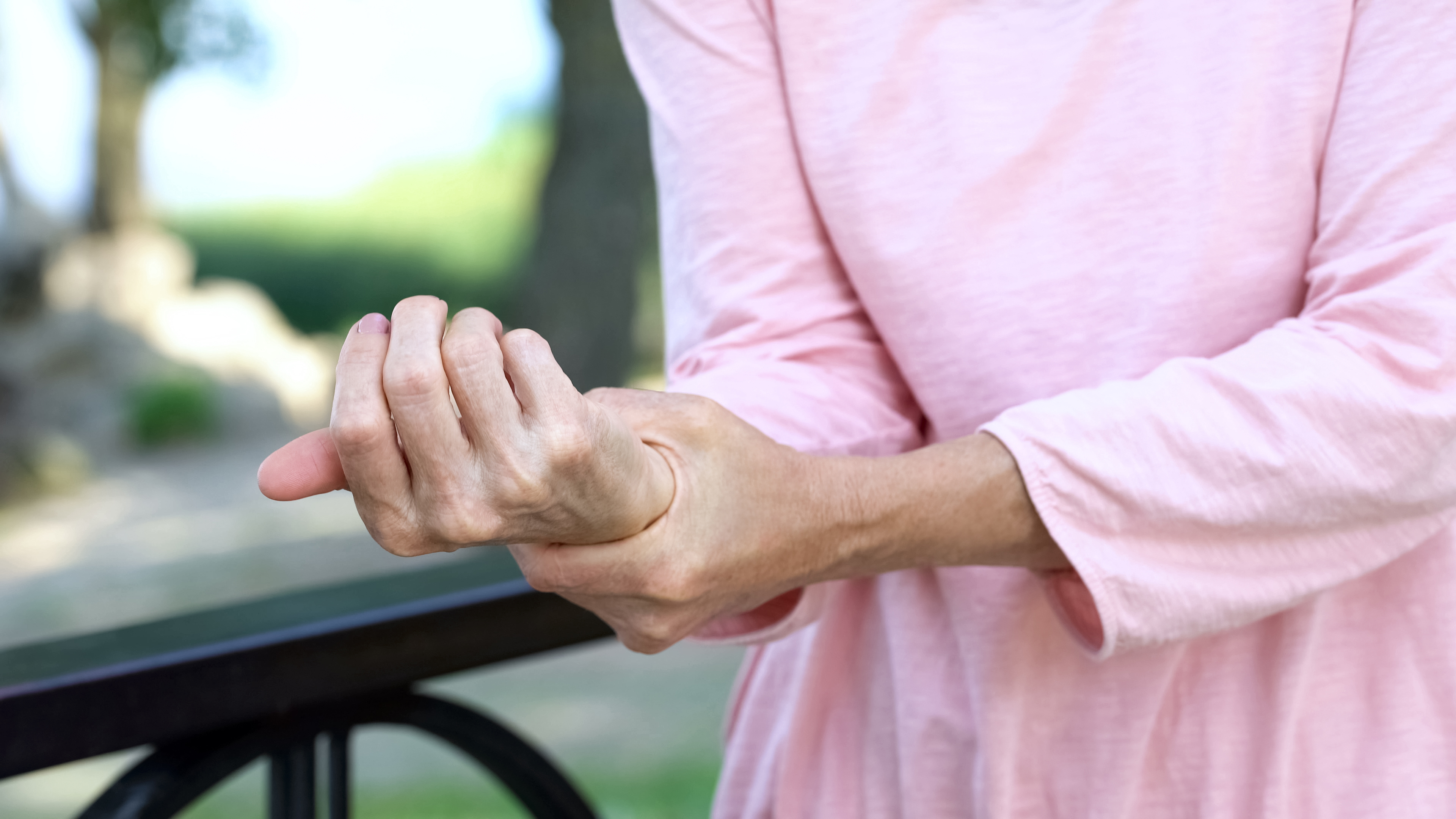
Source: Getty Images
Osteoporosis vs. osteoarthritis
Osteoporosis and osteoarthritis[2] are frequently confused. Osteoporosis is characterized by a decrease in bone density due to loss of surrounding bone tissue. This condition can affect a person’s mobility, as well as cause height loss and changes in posture. Osteoarthritis, on the other hand, is a degenerative disease that affects the joints—most commonly, those in the knees, hands, hips, lower back, and neck. Joints affected by osteoarthritis are often painful, swollen, and have reduced mobility. Osteoarthritis occurs when repetitive strain or injury to a joint wears down the surrounding cartilage, causing the bones to rub and grind together during motion. For this reason, osteoarthritis is associated with joint overuse or injury (as is seen in those who play sports or carry excess weight due to obesity). While osteoarthritis may develop with age, it is not as closely associated with the aging process as osteoporosis.How common is osteoporosis?
An estimated 200 million people worldwide[3] have osteoporosis, with roughly 54 million Americans affected by the disease. While both men and women can develop osteoporosis, women are at a much higher risk for the disease: they are four times more likely to develop osteoporosis than men. Current estimates state that of the 54 million people with osteoporosis in the United States, just 2 million are men. No matter their biological sex, after a person reaches the age of 50, his or her chances of having an osteoporosis-related injury increase dramatically. 50% of women and 25% of men over the age of 50 will have such an injury. Experts also estimate that over 2 million fractures per year are caused by osteoporosis or low bone density (osteopenia).Osteoporosis causes
While experts understand how osteoporosis occurs, they are not exactly sure why it happens_[4]. Inside the bones, there exists a spongy tissue known as trabecular bone. This tissue is surrounded by a harder shell called cortical bone. Osteoporosis occurs when the “holes” in the trabecular bone tissue grow in size and number, causing a decrease in inner bone density and quality. This is what causes the bones of people with osteoporosis to be weakened and more prone to fracture. Prior to the age of 30, the body performs an innate task called bone remodeling, which allows the body to draw upon calcium stores in the bone when needed. For this reason, people under the age of 30 tend to build bone tissue at a faster rate than they lose it. After the age of 35, however, the bones tend to start breaking down more quickly than they are rebuilt. Over time, this leads to a decrease in bone mass and density. While this is a normal process associated with aging, osteoporosis can increase the rate at which the bones break down.Osteoporosis risk factors
Some factors[5] may increase your risk of developing osteoporosis, including[6]:- Age: As you become older, your risk of osteoporosis increases as the result of several related factors. In particular, women over the age of 50 or those who are in menopause have an increased risk of having lowered bone density.
- Biological sex: Women are at a much higher risk of developing osteoporosis than men. This is due to the fact that the levels of estrogen in the body decrease after menopause. As estrogen helps protect against bone loss, having lower levels of the hormone makes one much more prone to osteoporosis.
- Race/ethnicity: People of Caucasian and Asian descent are at a higher risk of developing osteoporosis than those of other races or ethnicities. However, African-American women have a higher risk of dying as a result of hip fractures than Caucasian women.
- Family history: Having a blood relative (such as a mother, father, or sibling) with osteoporosis increases your chances of developing osteoporosis. Even having a grandparent who has suffered an osteoporosis-related fracture or similar injury can increase your likelihood of later developing the condition.
- Body size: Because people with a smaller body size generally have reduced bone mass reserves, their chances of developing osteoporosis are greater than those with larger body sizes.
- Other medical conditions: Certain medical conditions put you at a higher risk of developing osteoporosis. These conditions include hyperthyroidism, celiac disease, inflammatory bowel disease, kidney disease, cancer, lupus, rheumatoid arthritis, and multiple myeloma. Having undergone an organ transplant, hormone treatment (specifically for certain cancers), or bariatric surgery for weight loss can also increase your risk of developing osteoporosis.
- Certain medications: Certain medications (such as steroids and medications used to treat seizures and breast cancer) can affect bone density, increasing the risk for osteoporosis.
Osteoporosis symptoms
Most people do not experience any symptoms in the early stages of osteoporosis. Once osteoporosis has weakened the bones significantly, a person may experience the following symptoms[7]:- Stooped or hunched posture
- Height loss of a few inches or more
- Fractures that occur easily
- Back pain
- Collapsed vertebra
Complications from osteoporosis
The most common complications[8] of osteoporosis are bone fractures. These fractures typically occur in the spine or hip and can be caused by either a fall or vertebral collapse due to loss in bone density. Once a person has experienced a fall and an osteoporosis-related hip fracture, they are at an increased risk of falling again (and even passing away as the result of a fall) within the first year after the break.Medications
- Vivelle-Dot (dotti, estradiol)
- Climara (estradiol)
- Estrace (estradiol)
- Menostar (estradiol)
- ibuprofen
- Fosamax (alendronate)
- Delestrogen (estradiol valerate)
- Lyllana
- Premarin (conjugated estrogens)
- Prempro
- Activella (abigale, amabelz, estradiol / norethindrone, etyqa, lopreeza, mimvey)
- Boniva (ibandronate)
- Duavee
- Actonel (risedronate)
- Evista (raloxifene)
- Miacalcin (calcitonin salmon)
- abigale LO
- Climara Pro
- Prolia
- jinteli
- Forteo (teriparatide (forteo))
- Reclast (zoledronic acid)
- Enoby
- Jubbonti
- Binosto
- Bildyos
- Tymlos
- Fosamax Plus D
- Bonsity (teriparatide injection)
- Evenity
- Alora
- Premphase
- Atelvia
- Boncresa
- Bosaya
- Conexxence
- Denosumab-Dssb
- Ospomyv
- Stoboclo
Related Conditions
Menopause
The time in a woman's life (commonly in her 40s or 50s) when the ovaries stop producing hormones. Menopause is signaled ...
Osteoarthritis
The most common form of arthritis. Resulting from the wearing down of protective cartilage over time, this condition cau...
Hyperthyroidism
The opposite of hypothyroidism, hyperthyroidism is caused when the body produces too much of the thyroid hormones....
Inflammatory Bowel Disease
IBD
A group of chronic conditions that cause prolonged inflammation in the digestive tract. The two most common forms of IBD...